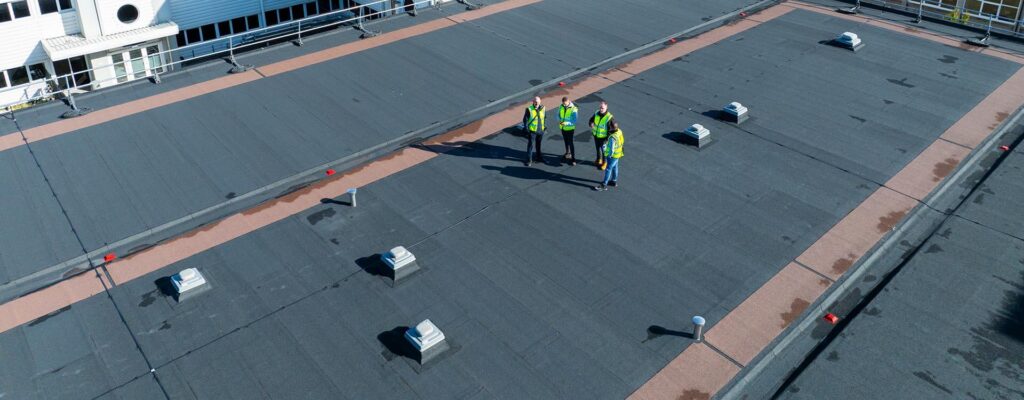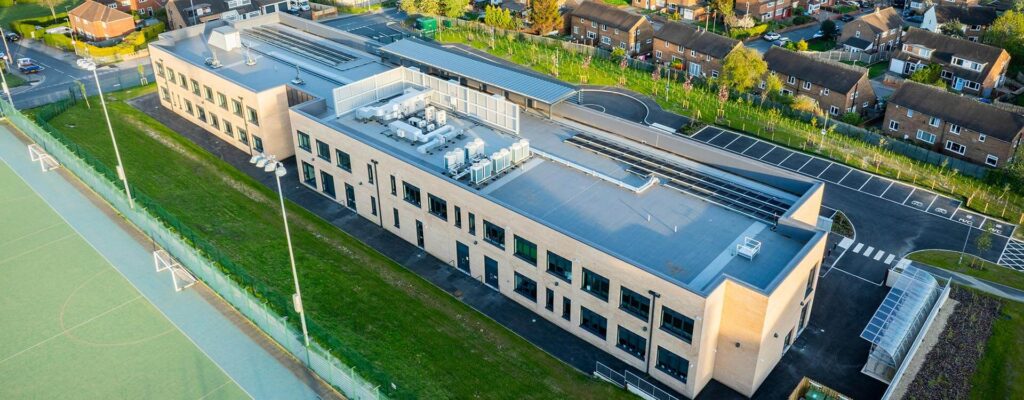
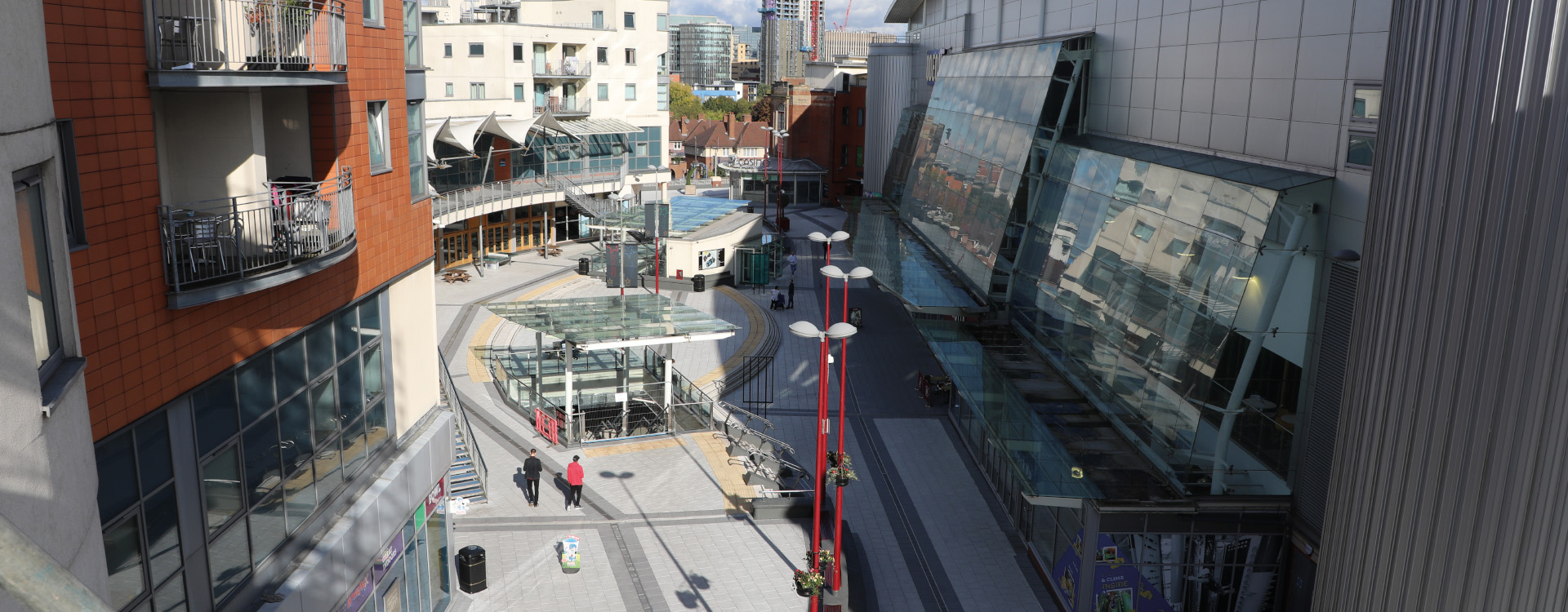
Concrete screed has a long-established role in construction. On roof, terrace, balcony, walkway and podium projects, however, the screed layer is not just a levelling material. It can influence drainage, waterproofing preparation, programme certainty, site access, build-up weight and the sequencing of follow-on trades.
That is why the question is not simply: what can be used instead of concrete screed?
A more useful question is: what does the project need the screed to achieve?
For some projects, a traditional concrete screed may remain suitable. For others, particularly where curing time, exposure to weather, water content or build-up weight create project risk, a mastic asphalt screed can provide a practical alternative.
Why project teams look beyond concrete screed
Concrete screeds are familiar and widely understood. They can help level uneven areas, create falls and provide a base for subsequent finishes. The challenge is that they can also introduce time and moisture into the programme.
On roof and deck projects, that matters. A screed may be installed before waterproofing, insulation, surfacing or other finishes can progress. Where curing time is extended, or where the screed is exposed to cold, wet or changeable site conditions, the knock-on effect can be felt across the wider programme.
In a market where project teams are already managing planning, regulatory and financial pressures, avoidable waiting time on site is becoming harder to absorb.
Choosing an alternative to concrete screed is therefore not about replacing a traditional material for the sake of it. It is about understanding whether another solution can better support the project’s programme, buildability and risk position.
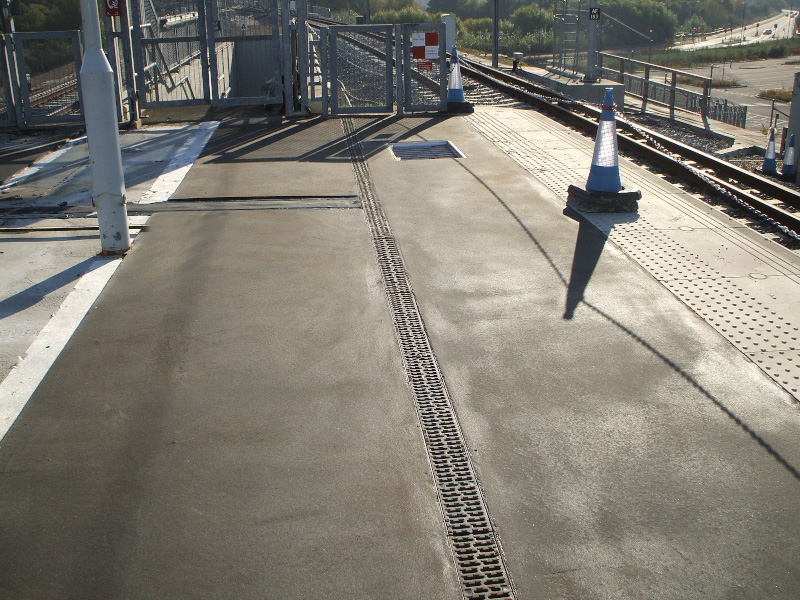
What should an alternative to concrete screed do?
A useful alternative needs to do more than provide a level surface. It should support the wider roof or deck build-up and help the project team manage practical site constraints.
Before selecting a screed, specifiers should consider whether it needs to:
- Create drainage falls
- Correct back falls, deflections or uneven areas
- Allow faster access for follow-on trades
- Reduce reliance on water-based curing
- Perform in exposed or seasonal conditions
- Limit build-up thickness and weight
- Provide embodied carbon data for the specification
These considerations move the decision away from product comparison and towards project suitability.
Mastic asphalt screed as an alternative
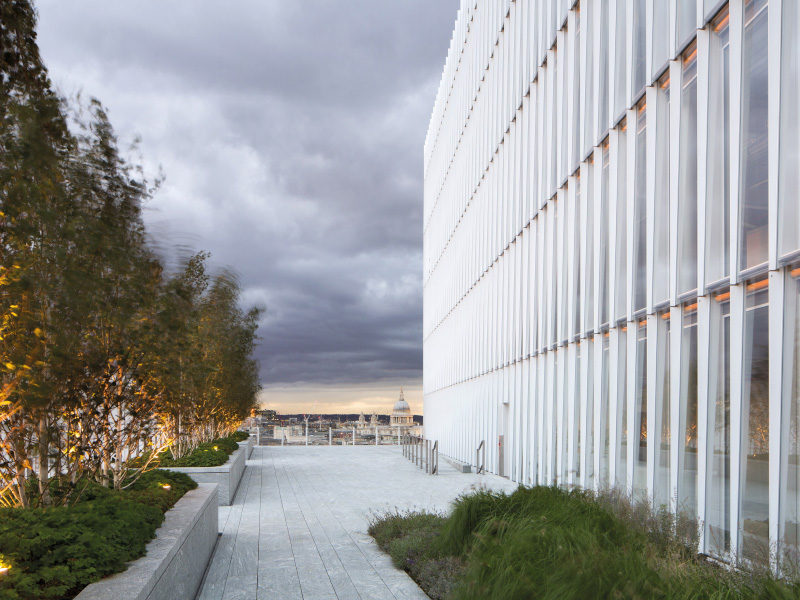
Mastic asphalt screed can provide a stable base for roof and deck waterproofing systems, helping to create drainage falls and address uneven substrates across roofs, balconies, terraces, walkways and vehicle decks.
IKO Permascreed LI is designed for these applications and can be installed in multiple layers where falls, levelling or substrate correction are required, making it suitable for both new build and refurbishment projects.
The value of this approach is not only in replacing concrete. It is in giving project teams a screed option that can help address common constraints around drainage, access, weather and programme sequencing.
Supporting drainage and substrate correction
Drainage is one of the most important reasons a screed may be needed in a roof or deck build-up. Even where a roof has been designed to fall correctly, construction tolerances, structural movement or substrate irregularities can create areas where water does not drain as intended.
In these situations, the screed layer can help correct unevenness and create a more suitable base for the waterproofing system.
IKO Permascreed LI can be used to create a range of drainage falls and to level uneven flat roofs, helping address back falls and deflections. IKO’s current system guidance also states that drainage falls are designed in line with BS 6229:2025.
This makes the screed decision part of the wider waterproofing strategy, rather than a separate material choice.
Reducing waiting time between trades
The curing profile of a screed can have a direct impact on site sequencing.
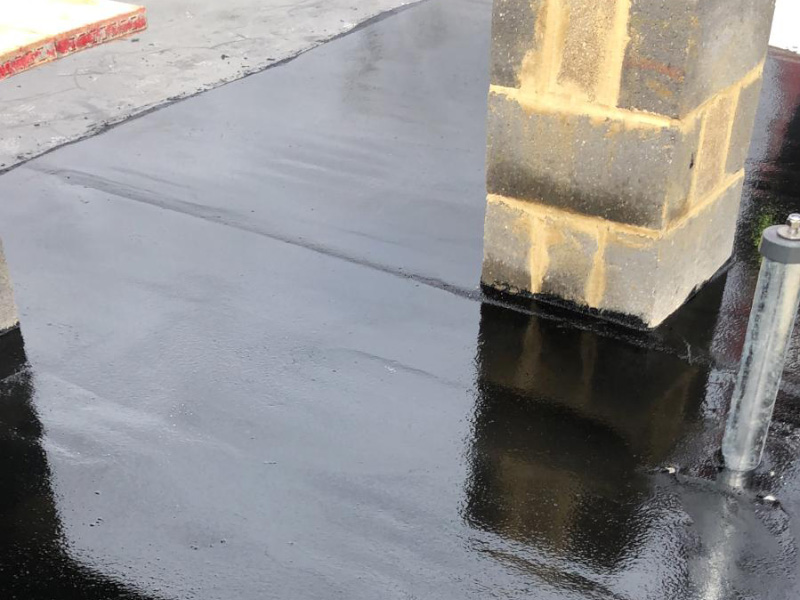
Traditional concrete screeds are generally associated with longer curing periods before follow-on works can progress. IKO Permascreed LI sets as it cools and can be walked on and waterproofed once cooled.
For project teams, this can help reduce waiting time between screeding, waterproofing and finishing works. That can be particularly relevant on live projects where access to sites needs to be carefully managed.
The point is not speed in isolation. It is the ability to support a more predictable sequence of works.
Considering water content and weather exposure
Water content is another reason project teams may look for an alternative to concrete screed.
Concrete screeds rely on water as part of the mix and require curing and drying time. On exposed roof and deck areas, that process can be affected by temperature, moisture movement and weather conditions.
IKO Permascreed LI contains zero water as part of the finished product. No water is added on site to form the screed, and the material does not rely on water evaporation in the same way as traditional wet screeds.
Build-up thickness and weight
Concrete screed can add significant thickness and weight to a roof or deck build-up. That may be acceptable on some projects, but it can create design and structural considerations on others, especially where existing decks, refurbishment constraints or imposed loads need careful assessment.
IKO mastic asphalt screeds are lightweight compared with traditional concrete screeds and can reduce thickness by up to 80%, depending on the project and system requirements.
For specifiers, that makes build-up weight and thickness part of the screed selection process. The most suitable option should be considered in the context of the substrate, loading requirements, waterproofing system and overall roof or deck design.
Making embodied carbon comparisons clearer
As project teams look more closely at embodied carbon, alternatives to concrete screed need to be assessed using clear, comparable information.
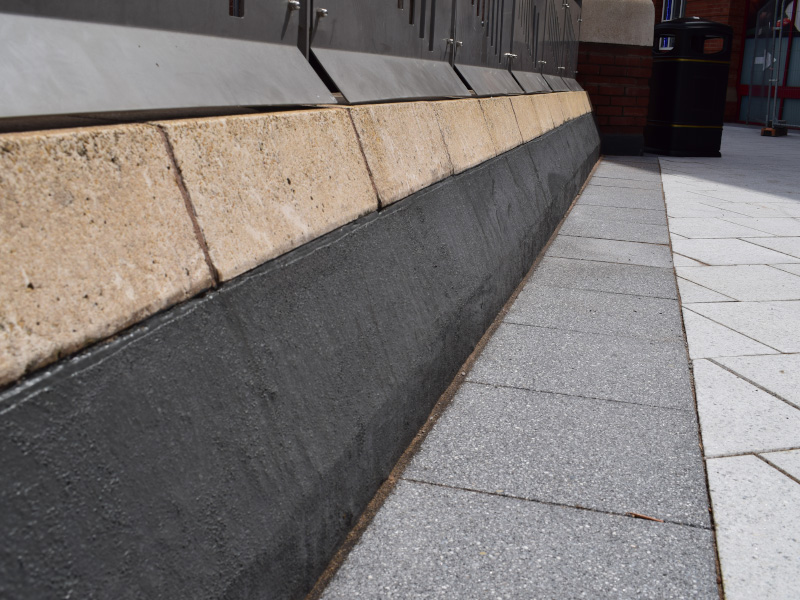
IKO Permascreed LI offers up to 38% lower embodied carbon compared with the original IKO Permascreed product, supported by third-party verified EPD data. This gives specifiers a clearer basis for assessing the screed layer within the wider roof or deck build-up, particularly where embodied carbon is being considered alongside programme, buildability and performance.
A project-led approach to screed selection
The right alternative to concrete screed depends on the project.
Where concrete screed supports the programme, site conditions and technical requirements, it may remain an appropriate choice. Where curing time, moisture, weather exposure, build-up weight or embodied carbon are more significant considerations, IKO Permascreed LI gives specifiers and contractors another option to consider.
The decision should be based on the role the screed needs to play within the wider system, not on a material-for-material comparison alone.
Planning your next project
Alternatives to concrete screed should be assessed on how well they support the project’s programme, build-up and risk profile.
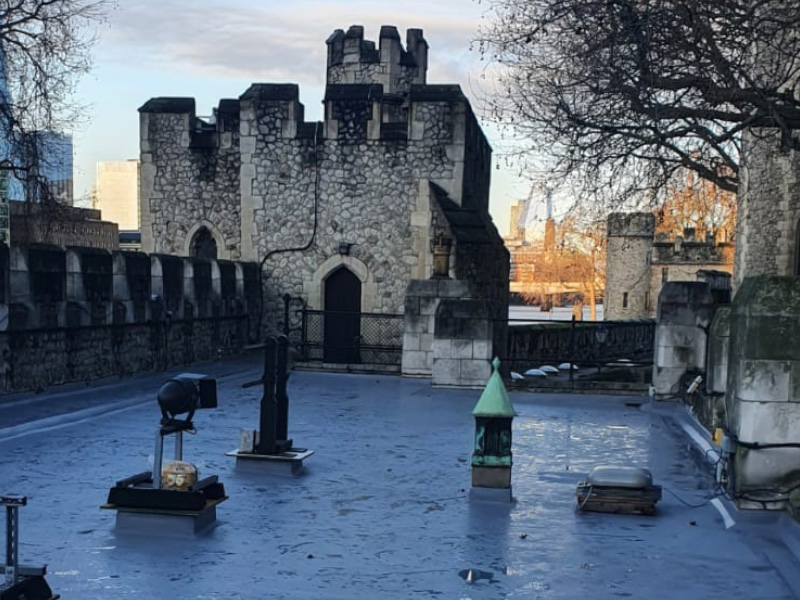
On roof, terrace, balcony, walkway and podium projects, IKO Permascreed LI can provide a practical mastic asphalt screed option where faster access, zero water content in the finished product, drainage falls and lower embodied carbon compared with the original IKO Permascreed product are important considerations.
To understand whether IKO Permascreed LI is suitable for your next project, contact IKO for project-specific guidance or download the latest IKO Permascreed LI literature.